The Huck Blog

Field Notes

Data stories from the wild: what community wildlife sightings reveal about the animals around us, told with maps.

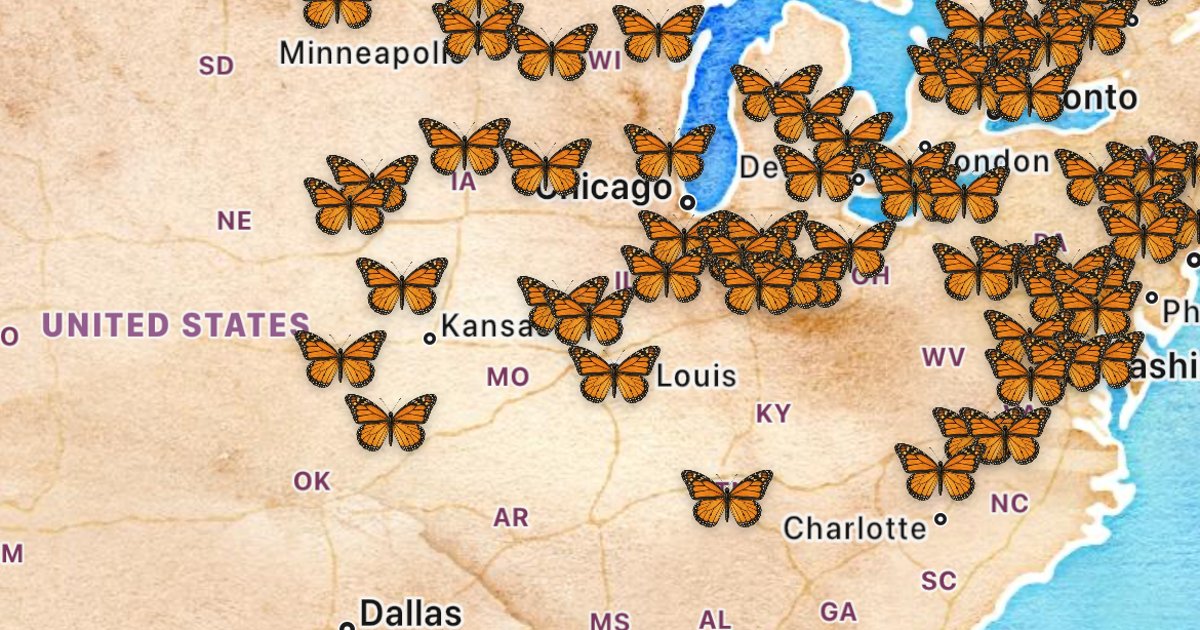
Illustrated map of eastern North America showing monarch butterfly sightings dense across the Midwest and Northeast in late summer, with a single cluster far south near central Mexico where the migration ends

Latest · August 15, 2026

The monarch migration is happening right now, and Washington is deciding whether it survives

Every orange dot on this map is a monarch heading for a few mountaintops in central Mexico. The eastern population is down about 80 percent, the western more than 95, and a federal decision on protecting them is overdue. This is the migration that decision is about.
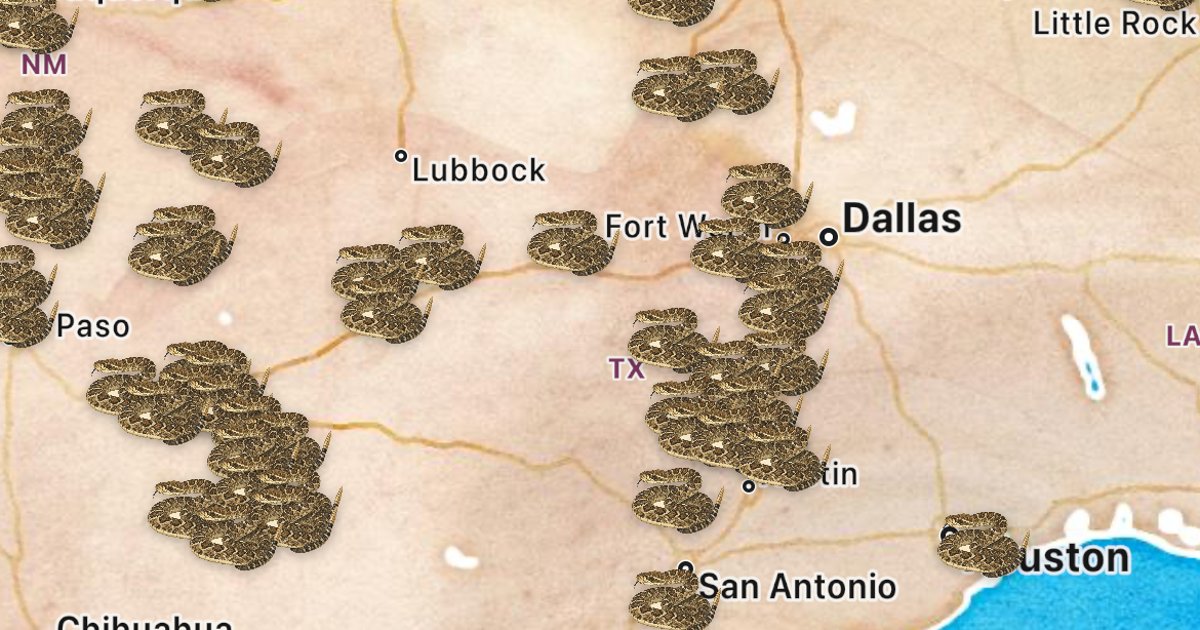
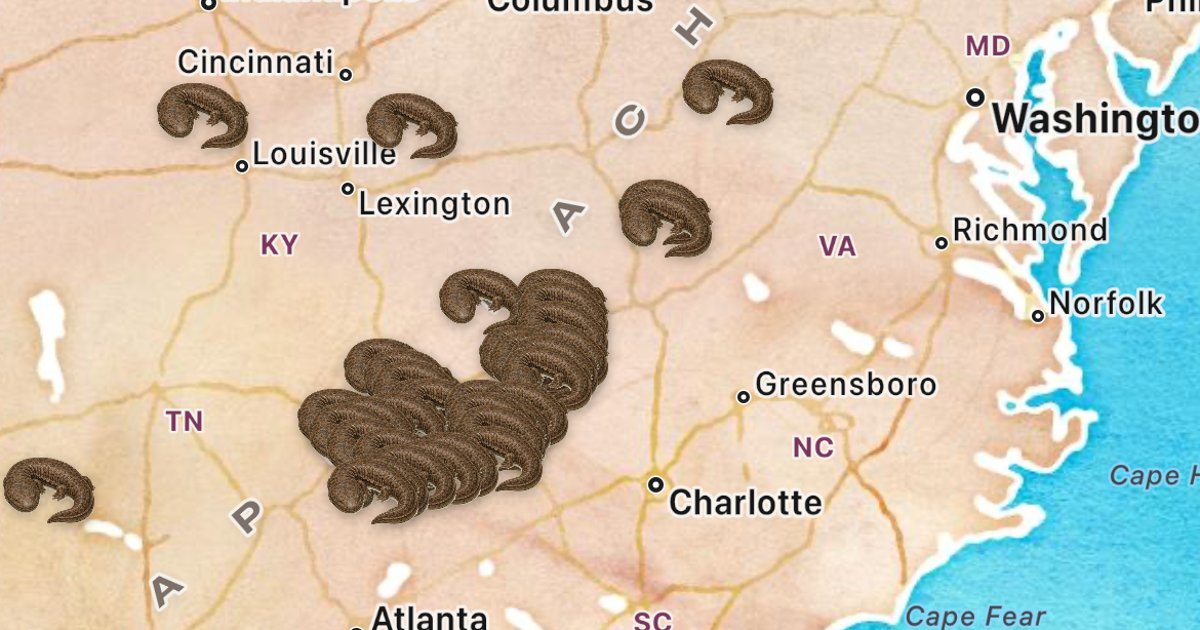
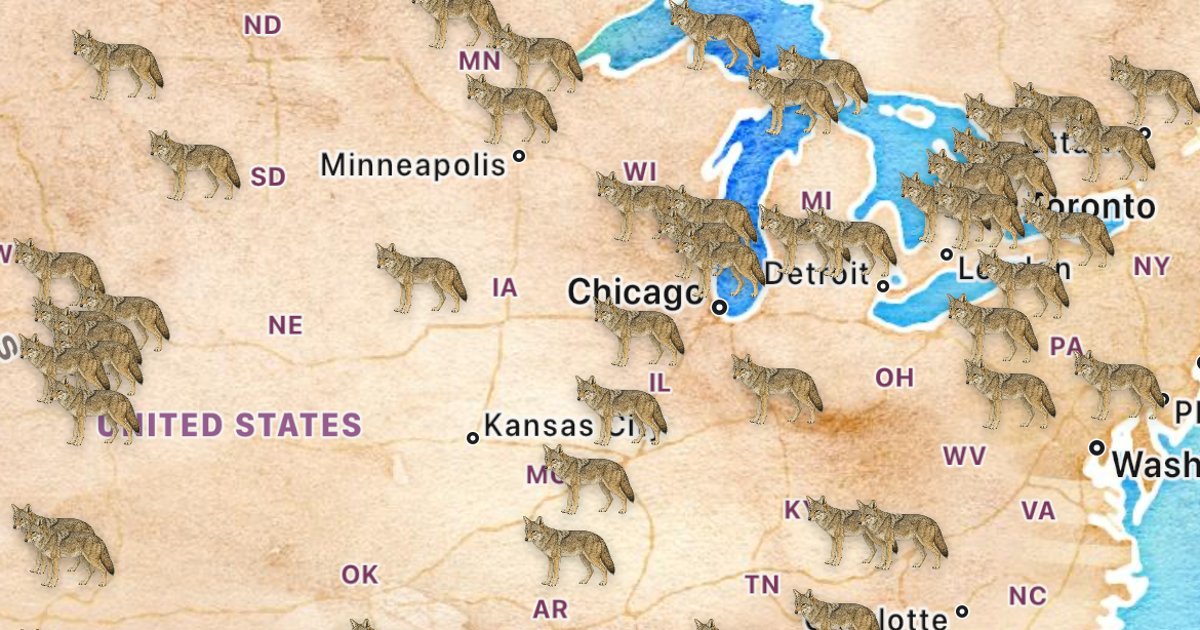
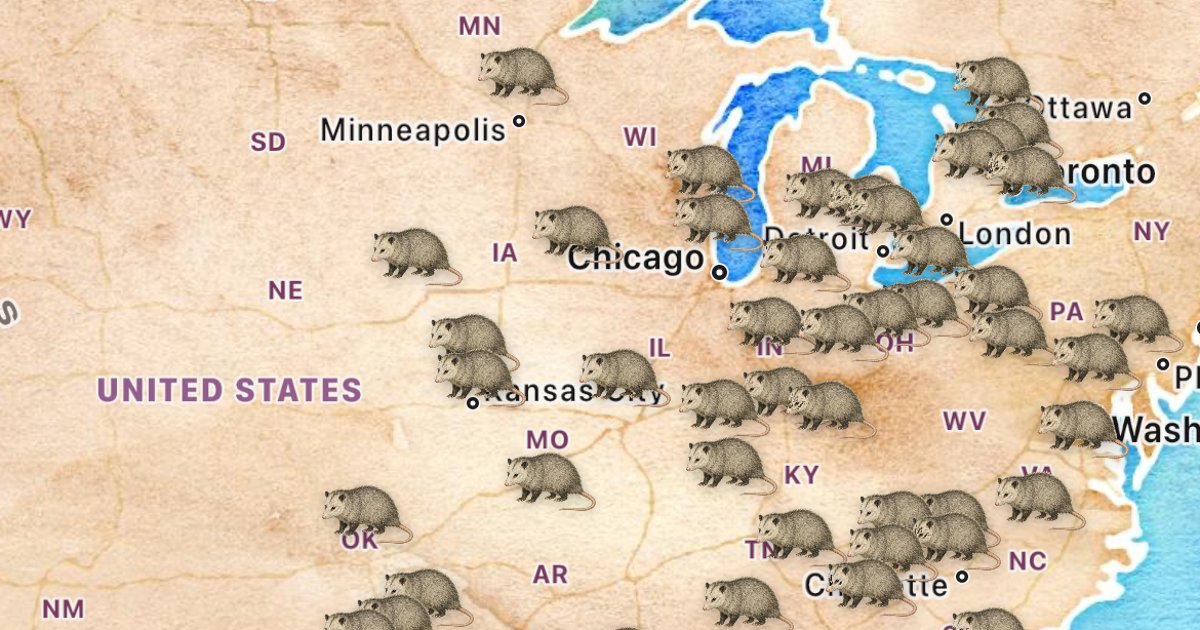
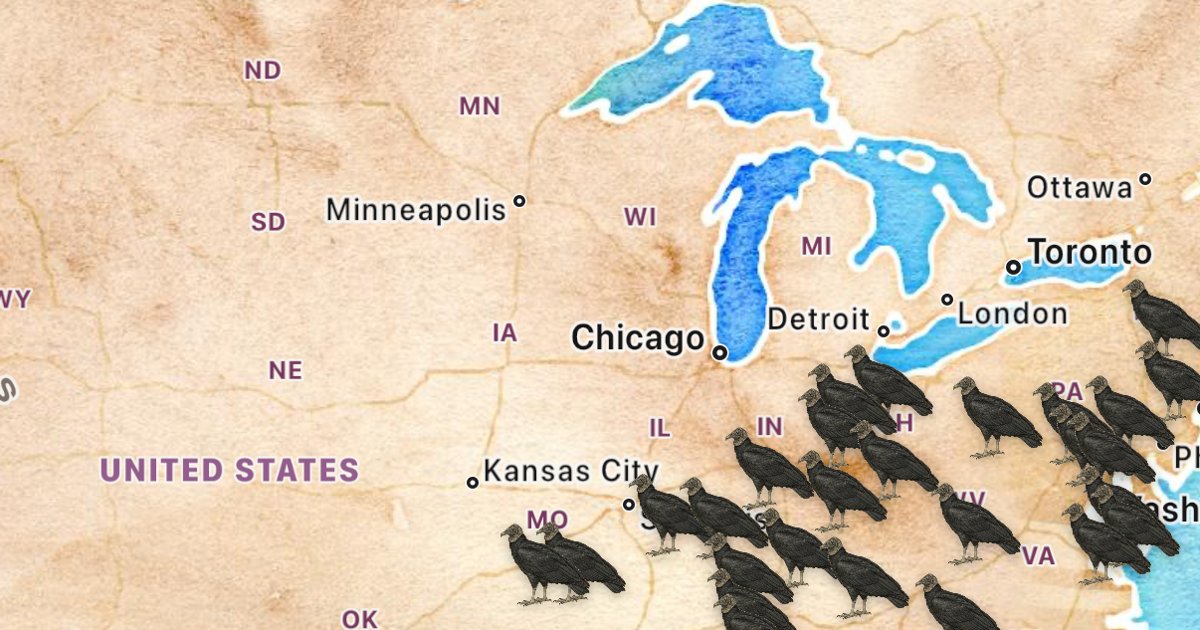
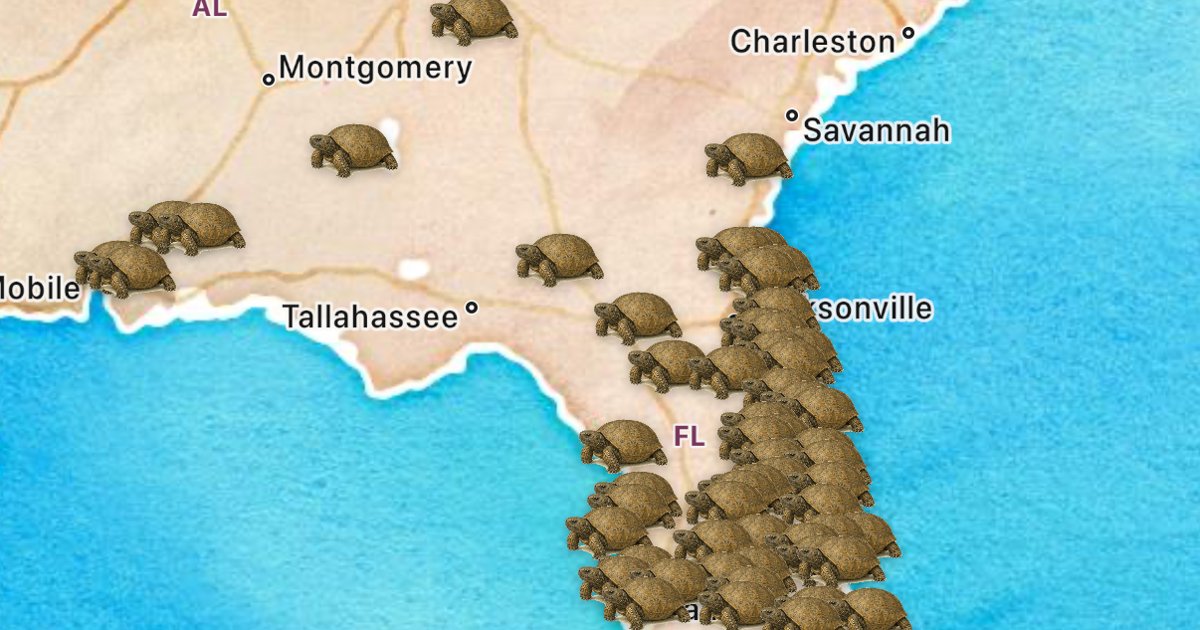
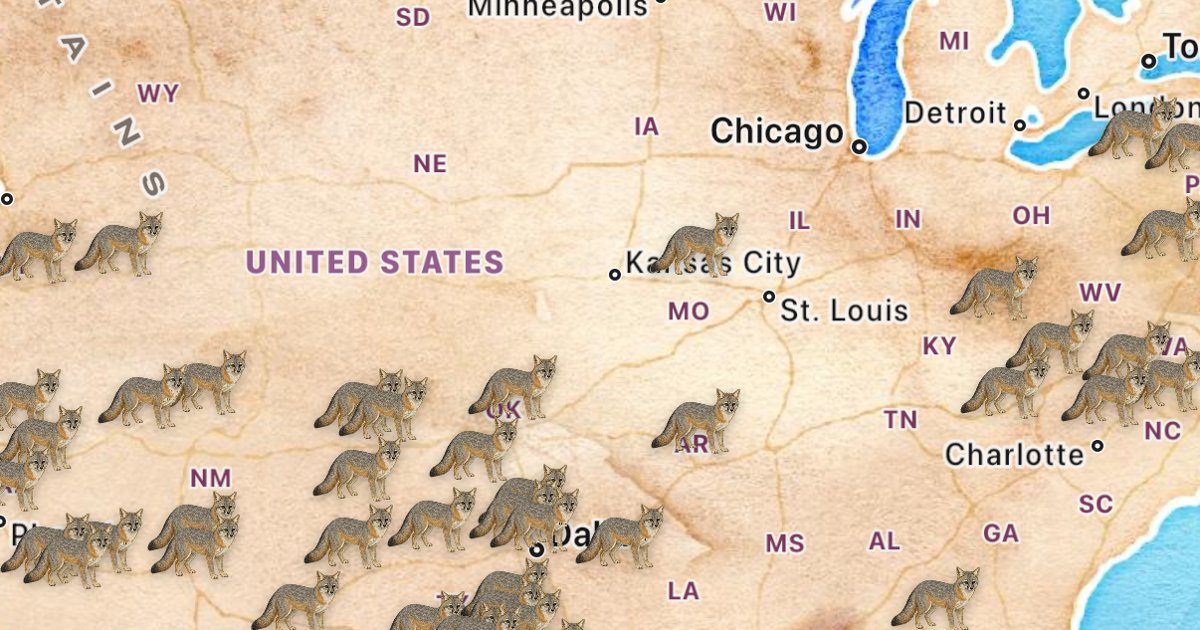
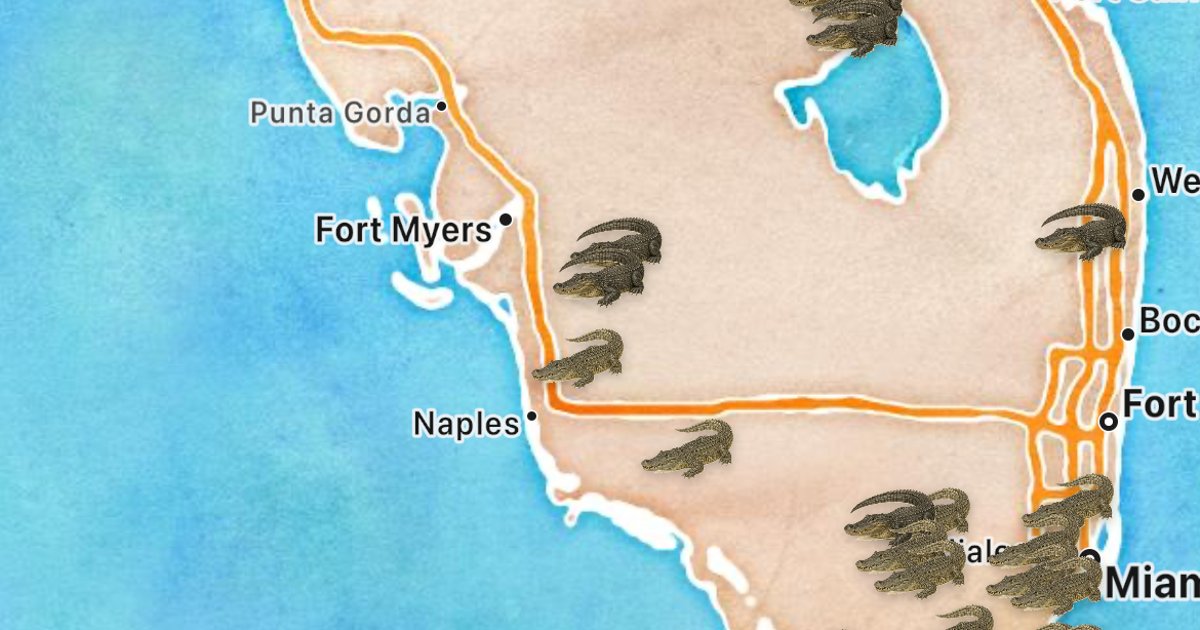
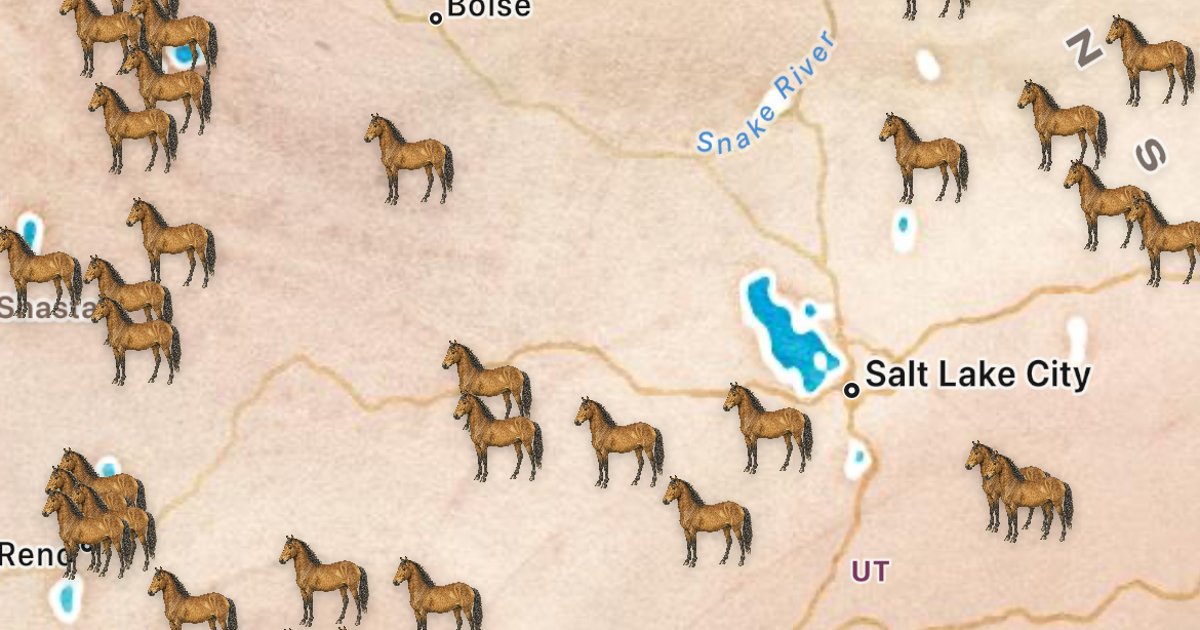
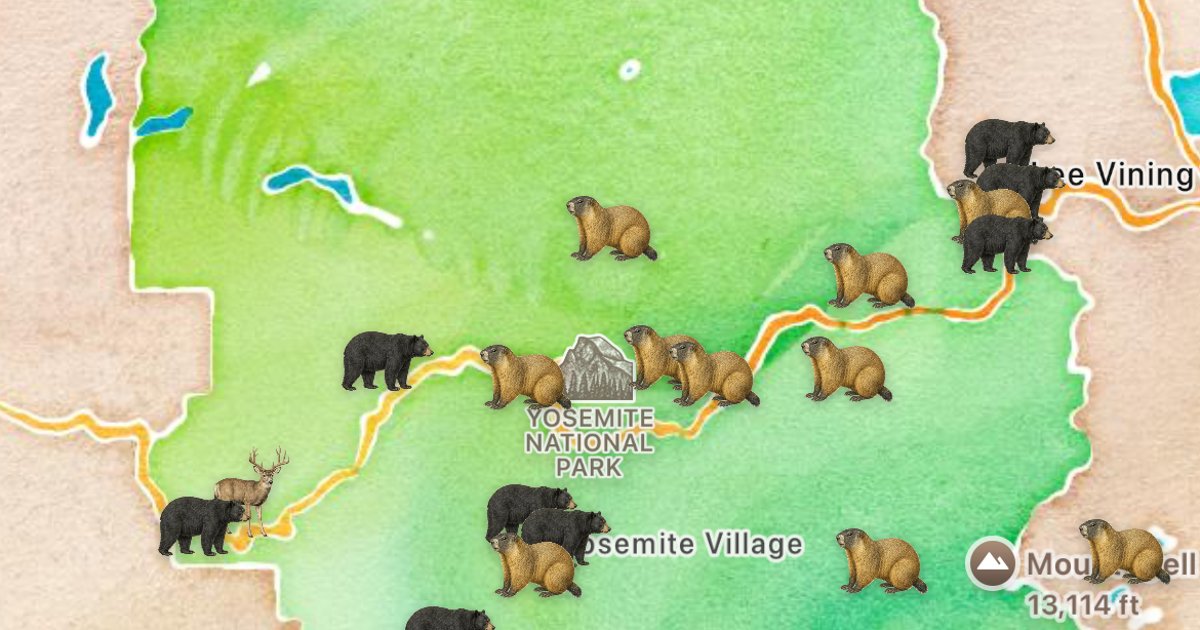
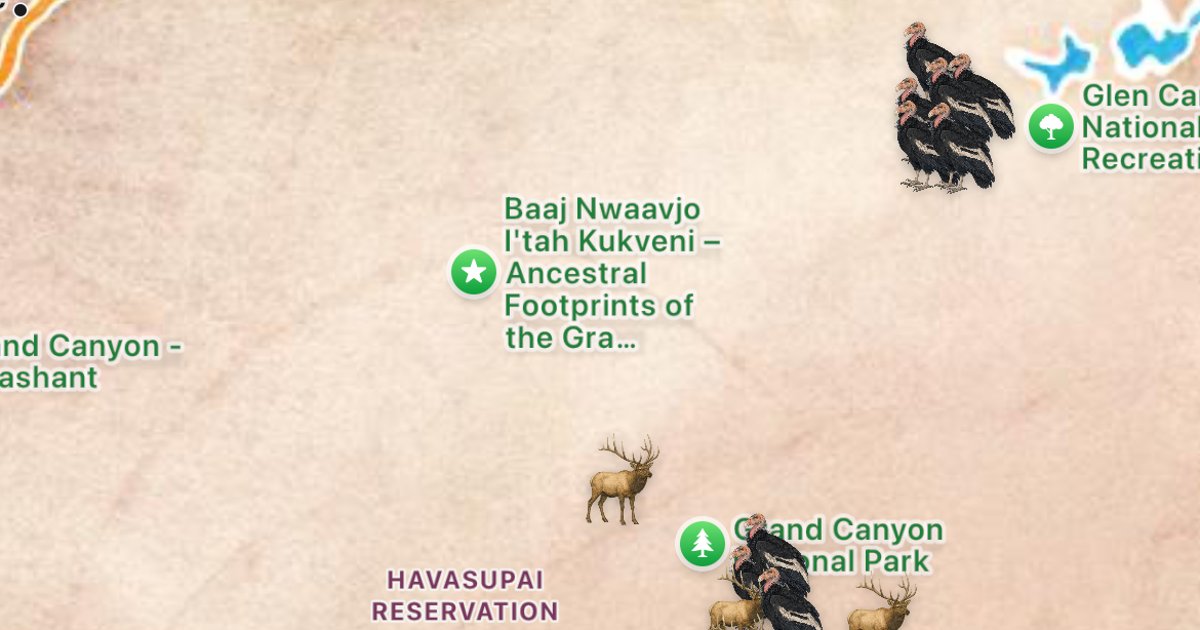
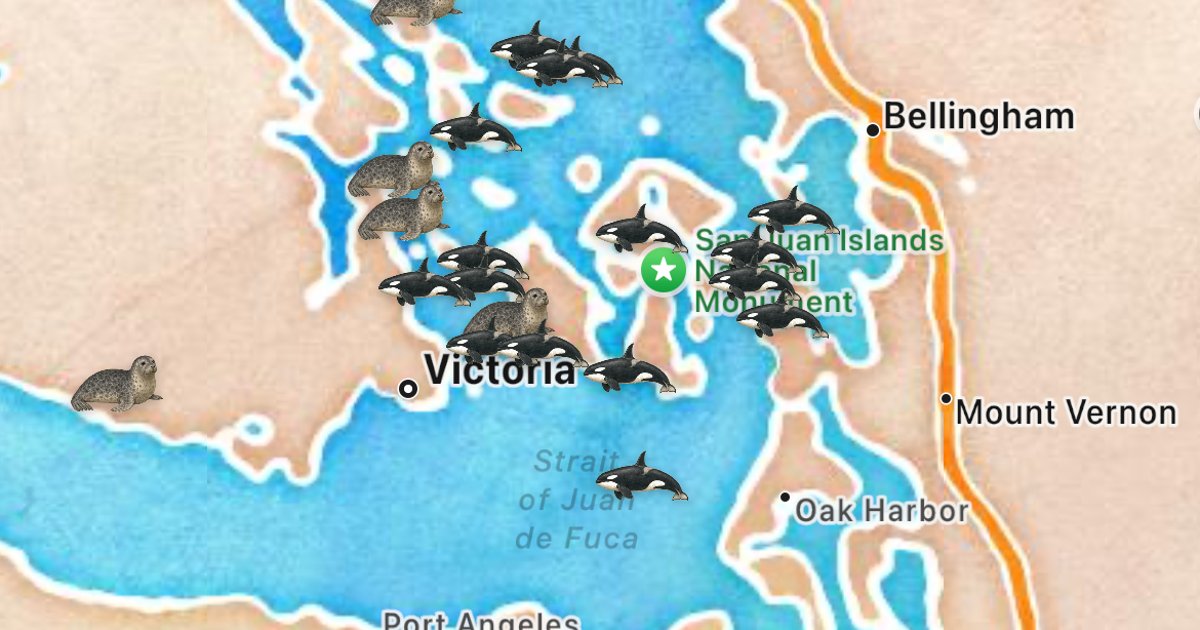
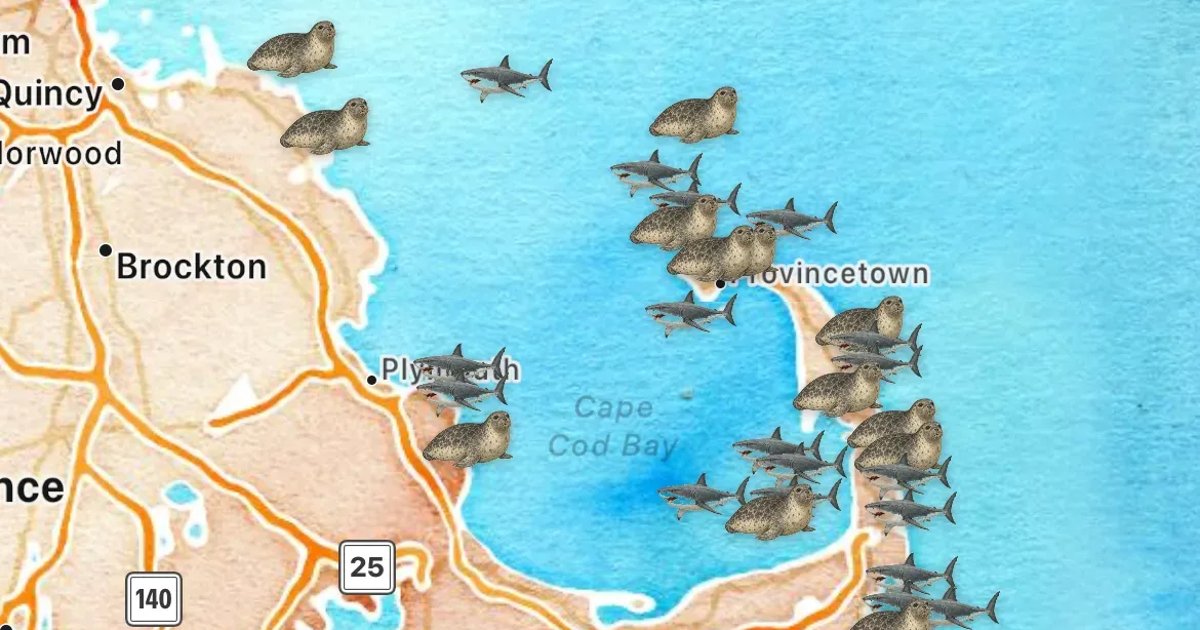
Illustrated map of Texas and the Southwest showing western diamondback rattlesnake sightings blanketing the state, densest across the west-central Texas roundup countryAugust 15, 2026America still gasses rattlesnakes out of the ground by the ton, and the map shows the costThe western diamondback is common enough that Texas towns pump gasoline into its dens and kill it by the thousands at annual festivals. Its close cousin, the timber rattlesnake, was hunted the same way for three centuries and is now so reduced that in much of the country it is a crime to touch one. Two rattlesnakes, two fates.Illustrated map of the eastern United States showing hellbender sightings concentrated along the southern Appalachians and the Allegheny, scattered through the Ohio and Tennessee valleys, absent from the lowlandsAugust 15, 2026The hellbender is a two-foot salamander that only lives in clean water. The map shows where Appalachia still has it.Anglers called it the snot otter and killed it on sight for generations, wrongly. North America’s largest salamander breathes through its skin and cannot survive a dirty stream, which makes it a living gauge of water quality. It has vanished from nearly half its known homes, and its federal protection is stuck in limbo.Illustrated map of the United States showing coyote sightings in every mainland state, coast to coast, dense across the Great Lakes, Northeast, Southeast, and TexasAugust 15, 2026The eastern coyote is part wolf, and it lives in every town nowA century ago the coyote was a plains animal of the West. Then we cleared out the wolves, and it walked into the vacancy, interbreeding with the last of them along the way. The animal that reached the East Coast is bigger, part wolf, and almost certainly living closer to you than you think.Illustrated map of North America showing Virginia opossum sightings dense across the eastern United States and pushing north into Minnesota, Michigan, and Ontario, absent from the arid interior WestAugust 15, 2026The opossum is North America’s only marsupial, and almost everything you believe about it is wrongIt hisses and drools and looks like a giant rat, so we treat it like vermin. In fact it faints instead of fighting, shrugs off snake venom, almost never carries rabies, and is quietly expanding north into towns that never had one.Illustrated map of the United States showing black vulture sightings dense across the Southeast and Texas and pushing north into the lower Midwest and up to Pennsylvania, with nothing above that lineAugust 15, 2026The turkey vulture smells death from a mile off. The black vulture cheats off its nose, and it’s moving north.Two big dark birds ride the thermals over most of America, and from below they look nearly identical. One is a bloodhound with wings. The other is a thief that follows the bloodhound to dinner, and it is pushing north into cattle country that was too cold for it a generation ago.Illustrated map of the Southeastern United States showing gopher tortoise sightings dense across Florida and up into Georgia, coastal South Carolina, and the Alabama Gulf CoastAugust 15, 2026A single gopher tortoise burrow shelters 350 other species. Florida is paving over them.The gopher tortoise is the landlord of the Southeast, digging burrows up to 40 feet long that snakes, frogs, owls, and rabbits all shelter in. It is one of the few animals whose disappearance takes hundreds of others with it, and the government just declined to protect most of its range.Illustrated map showing gray fox sightings dense across the Southwest, Appalachians, Southeast, and into Mexico, but nearly absent from the Midwest and northern plainsAugust 15, 2026The gray fox climbs trees like a cat. The red fox learned to live with us. Only one is winning.North America has two common foxes and they could not be more different. One is an ancient tree-climber of the brush and forest. The other is a recent, adaptable opportunist that followed us into the suburbs. Put them on a map and they carve the country in two, and the line between them is moving.Illustrated map of the Florida peninsula showing alligator sightings spread across the whole state and American crocodile sightings clustered at the southern tip around the Everglades, Florida Bay, and MiamiAugust 14, 2026Alligators and crocodiles coexist in exactly one place on EarthPlot every alligator sighting in Florida and you fill the whole peninsula. Plot the American crocodiles and nearly all of them crowd into the state’s southern tip - the only waters on the planet where the two animals live side by side.Illustrated map of the American West showing wild horse sightings blanketing the Great Basin across Nevada, Utah, Oregon, Idaho, and ArizonaAugust 14, 2026America has two kinds of wild horse country, and they could not be less alikeMap the wild horse sightings and the United States splits in two: a vast inland sea of mustangs across the Great Basin, and a handful of tiny island herds clinging to Atlantic beaches. Same animal, two completely different wild Americas.Illustrated map of Yosemite National Park with the park shaded green, showing black bear sightings along the Tioga Road corridor, yellow-bellied marmots in the high country, and mule deer near the southern entrancesAugust 14, 2026What Animals Live in Yosemite?Around 400 vertebrate species call Yosemite home, from the black bears everyone asks about to a marmot-and-pika high country and the southernmost great gray owls on the continent. Here is who you will actually meet, and where.Illustrated map of the Grand Canyon region showing California condor sightings near Vermilion Cliffs and Marble Canyon, elk at the South Rim, and Abert’s squirrels in the ponderosa forest around FlagstaffAugust 14, 2026What Animals Live in the Grand Canyon?Roughly 450 bird species, 90 mammals, and nearly 60 reptiles and amphibians live in and around the canyon. Here are the ones worth knowing: the giant, the lawn-mowing regulars, and a squirrel found nowhere else on Earth.Illustrated map of the Salish Sea from Vancouver to Tacoma showing killer whale and harbor seal sightings threaded together through the San Juan Islands, Haro Strait, and Puget SoundAugust 13, 2026The Salish Sea has two kinds of killer whale, and they ignore each otherEvery orca on this map is one species with one silhouette. But the whales around Seattle belong to two populations that do not interbreed, do not share calls, and will not eat the same food - and the balance between them has flipped within living memory.Illustrated map of Cape Cod showing white shark and gray seal sightings clustered along the outer beaches from Provincetown to Monomoy and NantucketAugust 12, 2026The Cape Cod shark map is really a seal mapPlot every white shark sighting around Cape Cod and you trace a line down the outer beaches. Plot the gray seals and you draw the same line - because one map is causing the other.

Get new field notes by email

Wildlife data stories, rare sightings, and Huck field notes - straight to your inbox.

By subscribing you agree to receive Huck emails. No spam, unsubscribe anytime. See our Privacy Policy.